What to Do If You Get a Flat Tyre in Perth

A flat tyre rarely happens at a convenient time. What you do in the first few minutes matters more than how quickly the tyre gets fixed. Here is a simple, step-by-step guide to staying safe and getting back on the road. It works whether you plan on changing a flat tyre yourself or calling for help.

Step 1: Get to a Safe Spot

As soon as you notice the tyre, slow down gently. Do not brake hard. Look for a flat, stable place to pull over, away from moving traffic if possible. A car park, a wide verge, or a quiet side street is much safer than the shoulder of a busy road.

Step 2: Make Yourself Visible

Turn on your hazard lights straight away. If it is dark or visibility is poor, this matters even more. If you have a warning triangle, place it a reasonable distance behind your car. Staying visible to other drivers is one of the simplest ways to stay safe while you sort out the tyre.

Step 3: Check the Damage

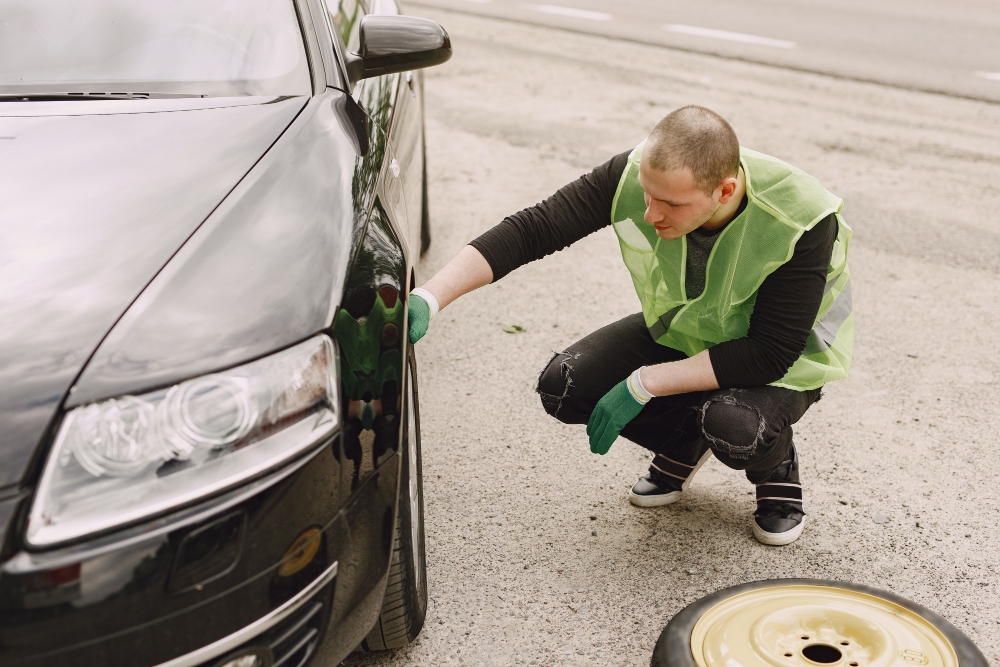
Once you are safely stopped, take a look at the tyre from a safe distance. A slow leak looks very different from a tyre that has completely blown out. This matters for what happens next. A slow leak may be repairable. A badly damaged tyre usually needs a full replacement.

Step 4: Decide Whether to Change It Yourself

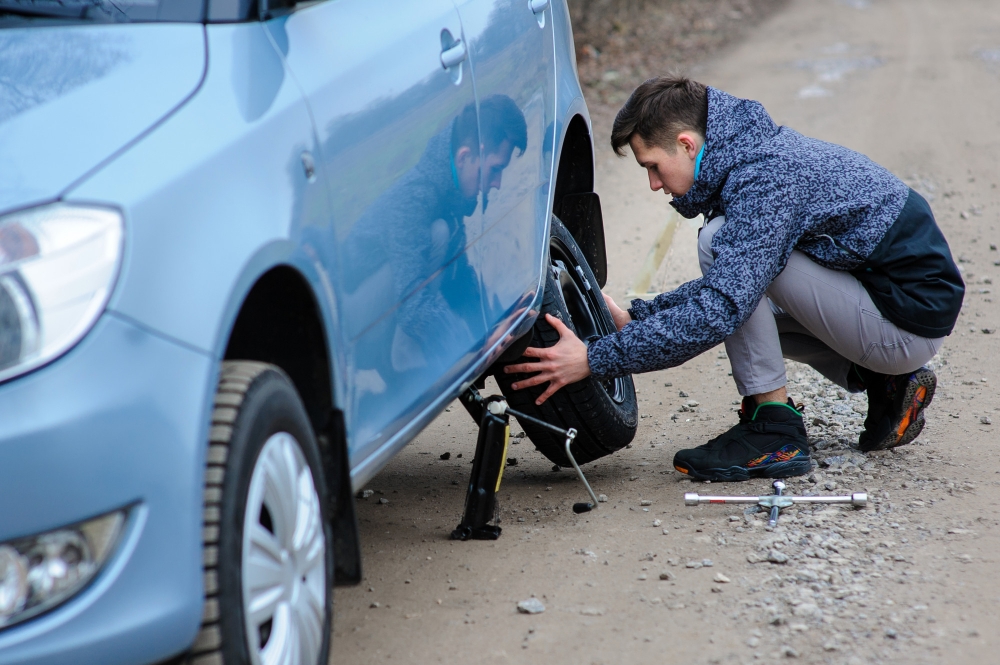
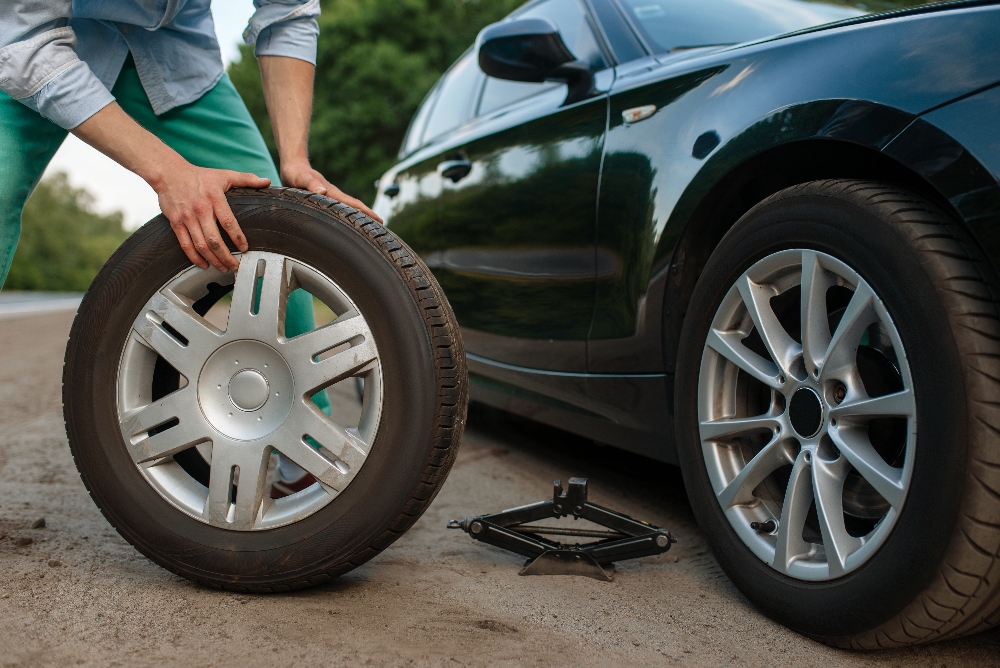
Changing a flat tyre yourself is possible if you are confident, have a working spare, and are somewhere safe to do it. The basic steps are: loosen the wheel nuts, jack up the car, swap the wheel, and tighten the nuts back down in the right order. If you are unsure of any of these steps, wait for help instead. The same applies if the location does not feel safe. It is better to wait than to rush it.

Step 5: Call a Mobile Tyre Change Service

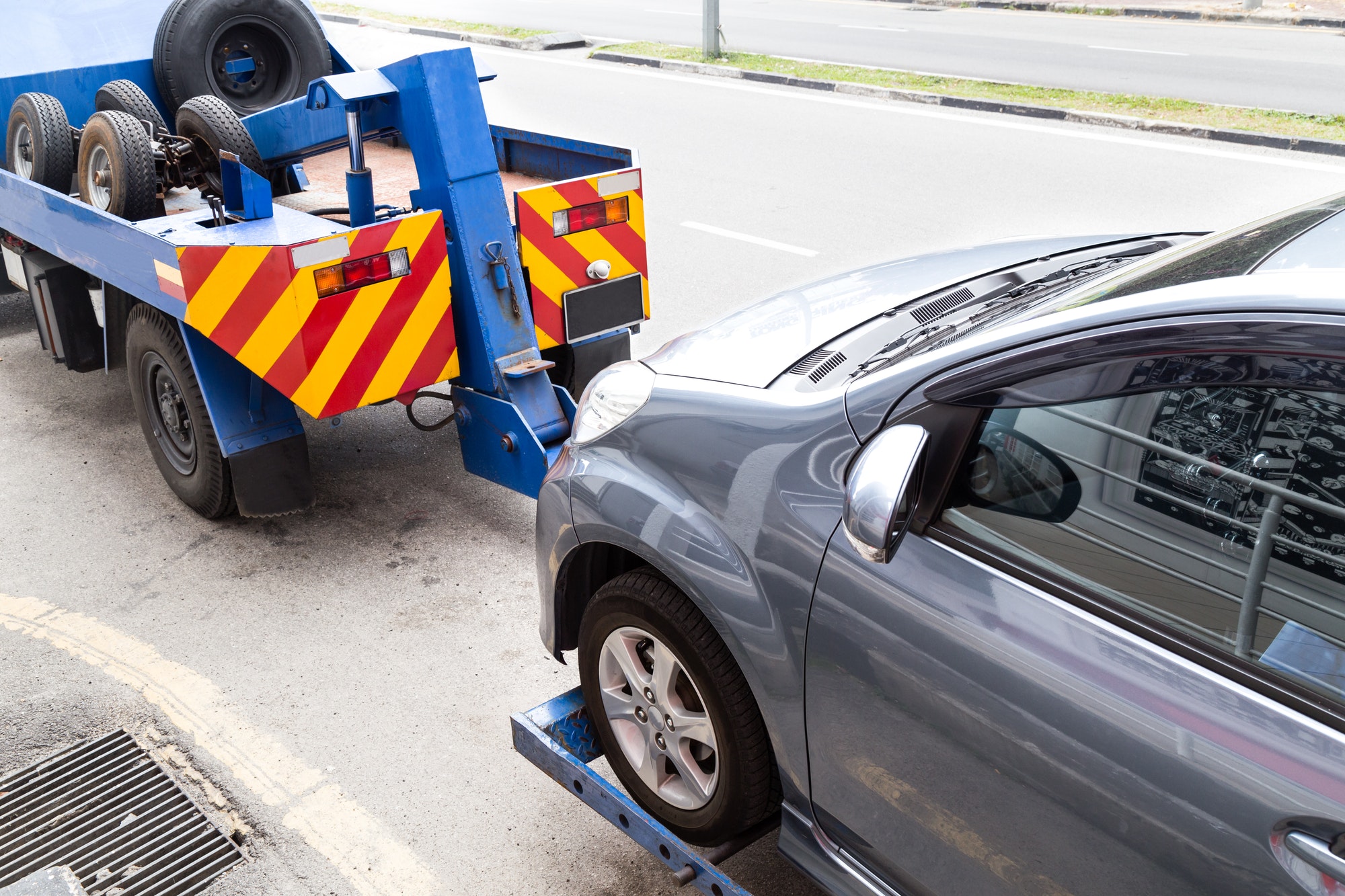
Maybe you would rather not do it yourself. Or maybe your spare is missing or also flat. Either way, a mobile tyre change service comes to you instead. This is often the safer option too, especially if you have broken down on a busy road, at night, or somewhere unfamiliar. Perth Roadside Assistance offers a tyre change Perth drivers can call any time, without needing to find a workshop themselves.

A Few Small Things That Help While You Wait

If you decide to call for help, there are a few small things worth doing while you wait. Stay inside the car if you are on a busy road, with your seatbelt on, rather than standing near passing traffic. Keep your hazard lights on the whole time. If you have children or pets with you, keep them settled and away from the roadside edge. None of this speeds up the tyre change, but it keeps everyone safer until the technician arrives.

What a Technician Actually Does

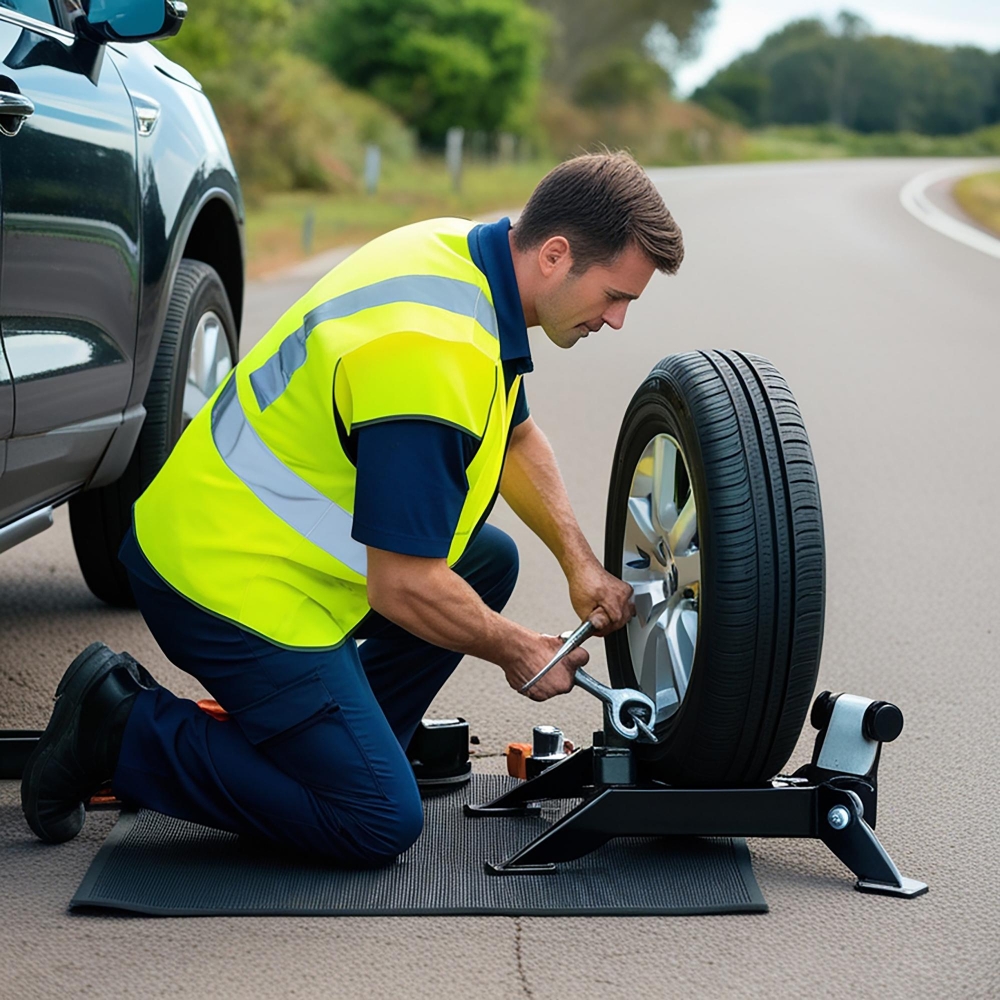
When a Perth Roadside Assistance technician arrives, they check the tyre properly before doing any work. If it can be repaired, they will usually tell you. If not, they fit a replacement so you can get moving again. This is often quicker and safer than attempting a roadside repair alone. That is especially true if you are stressed, in a hurry, or unfamiliar with the process.

Searching "Tyre Change Near Me"? Here Is What to Check

If you search for a tyre change near me while stuck on the road, look for a few things before you call. Check the following:

A provider who is clear and upfront about these things is usually a safer bet than the first result you find in a panic.

Stay Calm and Get Help

A flat tyre is stressful. But it is one of the most common roadside problems. It is also one of the easiest to solve safely. Get yourself to safety first. Then decide whether to change it yourself or call for help. If you would rather leave it to a technician, you can contact Perth Roadside Assistance for a fast, local tyre change service.
Flat Tyre Repair vs Replacement: How Technicians Decide

Not every flat tyre needs a full replacement. Sometimes a repair is all it takes to get you back on the road. The tricky part is knowing which one your tyre actually needs. Here is how a technician actually makes that call. It matters if you are searching for flat tyre repair near you right now.

How a Technician Checks the Damage

The first step is always a proper inspection. A technician looks at where the damage is, how big it is, and what caused it. A small puncture from a nail, placed in the right part of the tread, is often repairable. Damage to the sidewall, a large tear, or a tyre that has run flat for a while usually is not.

Repair vs Replacement at a Glance

SituationRepair Usually PossibleReplacement Usually Needed
Small puncture in the treadYes, in most casesNot usually
Damage on the sidewallRarelyYes
Tyre driven on while flatSometimes, if caught earlyOften, if damage is severe
Tread is already worn lowNot recommendedYes
Multiple puncturesCase by caseOften

This table is a general guide, not a guarantee. A technician still needs to see the tyre in person to make a safe call.

What Affects Flat Tyre Repair Cost

There is no single flat tyre repair cost that applies to every job. A few things influence the price:

Because of this, the most reliable way to know your cost is to ask for a quote. Perth Roadside Assistance offers a free, no-obligation quote before any work begins.

Why Technicians Do Not Always Repair

It might seem like repairing is always the cheaper, easier choice. In practice, safety comes first. A tyre that looks fine on the surface can still be unsafe once you factor in speed, load, and heat. A responsible technician will recommend replacement whenever a repair would not hold up safely. That is true even if replacement costs more upfront.

Does Tyre Age Change the Decision?

Yes, it can. An older tyre with worn tread is a poor candidate for repair, even if the puncture itself is small. Rubber degrades over time. A repair on tired rubber is less reliable than the same repair on a newer tyre. This is one reason a technician looks at the whole tyre, not just the hole in it, before deciding what to recommend.

What Happens After a Repair

A properly repaired tyre can perform well for a long time. Even so, it is worth keeping an eye on it afterwards. Check the tyre pressure every so often, and look for any new signs of a slow leak. If you notice the same tyre losing pressure again down the track, get it checked. Do not just top it up and hope it holds.

Searching for a Car Tyre Change Service? What to Ask

If you are comparing options for a car tyre change service, a few quick questions can save you time and money:

Get a Straight Assessment

The best way to know whether your tyre needs a repair or a replacement is to have it looked at properly. If you are stuck with a flat tyre anywhere around Perth, you can contact Perth Roadside Assistance for an honest assessment and a free quote.

Car Battery Replacement in Perth: 9 Warning Signs to Watch For

A failing car battery rarely gives up without a few warnings first. Catching the signs early can mean the difference between a planned car battery replacement service and being stuck somewhere inconvenient. Here are the signs worth knowing, and what happens once you call for help.

1. Slow Engine Cranking

If the engine takes a moment longer than usual to turn over, the battery may be struggling to supply enough power. This is often one of the earliest signs of a battery on its way out.

2. Dim Lights or Electrical Glitches

Headlights that look dimmer than normal, or electronics that behave oddly, can point to a battery that is not holding charge well.

3. A Dashboard Battery Warning Light

Modern cars often have a dedicated warning light for this. If it comes on, it is worth taking seriously rather than waiting to see if it goes away on its own.

4. Needing Jump Starts More Than Once

One jump start can happen to anyone. Needing them repeatedly is a clear sign the battery itself needs attention, not just a one-off recharge.

5. A Swollen Battery Case

Heat and age can cause a battery casing to swell or bulge. This is a safety concern as well as a performance one, and usually means replacement rather than repair.

6. A Sulphur-Like Smell

An unusual, slightly rotten-egg smell near the engine bay can point to a battery leaking or venting gas. If you notice this, get it checked promptly.

7. Corroded Terminals

A crusty, white or bluish build-up around the battery terminals can interfere with the connection. This can cause starting problems, even if the battery itself still has some life left.

8. A Clicking Sound When You Turn the Key

A rapid clicking noise, rather than the engine turning over, often means the battery does not have enough charge left to start the car.

9. Accessories Acting Up

Maybe your radio resets itself. Maybe your clock keeps losing time, or other small accessories misbehave. A weakening battery could be the common cause behind all of it.

How Long Do Car Batteries Usually Last?

Most car batteries have a useful life of a few years before they start to weaken. Heat speeds this process up. That is one reason Perth's hot summers can be tough on an older battery. Short trips, lots of stop-start driving, and leaving accessories running can also wear a battery down faster than steady, longer drives. None of this means your battery will definitely fail on any set schedule. It simply means age and driving habits are worth factoring in alongside the warning signs above.

How Roadside Car Battery Replacement Works

If you notice several of these signs, it is worth arranging a check before you are stuck somewhere. Perth Roadside Assistance follows a simple process for car battery replacement in Perth:

This process works whether you are calling ahead of time or already stranded with a car that will not start.

Emergency Car Battery Replacement Near Me: What Matters Most

If you are searching for emergency car battery replacement near you, speed matters. So does getting an honest diagnosis. A technician should test the battery before replacing it, not replace it automatically. That way, you are not paying for a new battery if the real issue is something else, like a loose or corroded terminal.

Do Not Wait for the Worst Moment

A car battery rarely fails without warning. If you have noticed any of the signs above, do not wait until you are stuck in a car park or on the side of the road. You can contact Perth Roadside Assistance for a free quote on roadside car battery replacement, wherever you are around Perth.

How Much Should You Budget for Roadside Assistance in Perth?

Nobody plans for a flat tyre or a dead battery. But you can plan for the cost of dealing with one. Roadside charges depend on the job, your location, and the time of day. Because of this, there is no single figure to write into a spreadsheet. Instead, budgeting for it comes down to a few practical steps. Take these now, and you will not be caught off guard later.

Step 1: Look Honestly at Your Risk Factors

Start by thinking about your own car and driving habits. An older car, high yearly mileage, or worn tyres all raise the odds of a breakdown. So does driving long stretches on Perth's outer roads. Help may take a little longer to arrive out there. Think about how you actually use your car day to day, not just an average driver. A short daily commute in good condition is a very different risk to a long country drive in an older car. If several of these apply to you, plan for the chance of more than one callout a year.

Step 2: Think About the Time of Year

Perth's hot summers put extra strain on car batteries. Heat speeds up the chemical wear inside a battery. This is why flat-battery breakdowns tend to rise in the warmer months. If your battery is a few years old, it is worth having it checked before summer rather than waiting for it to fail on a 40-degree day. Building this kind of simple seasonal check into your routine can reduce how often you need to call for help in the first place.

Step 3: Decide How You Want to Pay

There are two common approaches. You can pay a yearly membership fee. Or you can pay only when something goes wrong, one callout at a time. Neither is automatically cheaper. It comes down to how often you actually expect to need help. Whichever you choose, understand what it covers before you rely on it.

Step 4: Set Aside a Simple Buffer

Even without a fixed price, you can still plan sensibly. Many households set aside a small buffer for car-related surprises. This can cover tyres, batteries, and minor repairs together. It is easier than trying to guess one exact roadside figure. Treat it the same way you would budget for any unpredictable home or car expense.

Step 5: Get a Quote Before You Need One

You do not have to wait until you are stranded to understand pricing. Perth Roadside Assistance offers a free, no-obligation quote. Call ahead, ask your questions, and get a feel for how pricing works. A calm phone call today is much easier than a stressful one on the side of the road.

Step 6: Know What Is Actually Included

Before you budget for anything, check what a service actually covers. A flat tyre callout, for example, may include an assessment of whether the tyre can be repaired instead of replaced. That single decision changes the cost. You can see how this works on the tyre change page, or review the full range of jobs on the services page. Knowing what is included stops you from over-budgeting for things already covered. It also stops you under-budgeting for things that are not.

Step 7: Revisit Your Plan Each Year

Your driving habits change. Cars get older, commutes change, and families sometimes add a second vehicle. It is worth a quick yearly check to see whether your approach still makes sense. If you had several callouts this year, it might be time to reconsider your plan. If you had none, that is useful information too. Either way, use what actually happened over the past twelve months, not a guess, to guide your decision for the next twelve.

A Quick Budgeting Checklist

Get a Free Quote Before You Need It

Planning ahead does not mean you need an exact number today. It means understanding the factors involved. It means knowing where to turn when something goes wrong. Want a clearer picture of what roadside help looks like in Perth? You can contact Perth Roadside Assistance for a free quote, with no obligation to book.

Annual vs Pay-As-You-Go Roadside Assistance - Which Costs Less?

When a car breaks down, most drivers only think about roadside help in the moment. But there are two common ways to pay for it, and they work very differently. One is an annual membership, usually through a motoring club. The other is pay-as-you-go, where you call a provider and pay only for that one job. Which one costs less depends on your own driving habits, not on which option sounds better on paper.

The Two Common Ways to Pay for Roadside Help

An annual membership works like insurance. You pay a yearly fee upfront. In return, you can call for help whenever you need it during that year, often with a cap on how many callouts are included. You pay the same fee whether you use it once or ten times.

Pay-as-you-go works differently. There is no ongoing fee. You only pay when something actually goes wrong, and the price reflects that specific job. Perth Roadside Assistance operates this way, offering a free quote for each callout rather than a yearly plan.

Comparing the Two at a Glance

FactorAnnual MembershipPay-As-You-Go
How you payOne yearly fee, paid upfrontPay only for the callout you use
Best suited toDrivers who expect several callouts a yearDrivers who rarely break down
If you never need helpYou still pay the full annual feeYou pay nothing that year
If you need help oftenExtra callouts may be included or reduced in costEach callout is billed on its own
CommitmentLocked in for the membership termNo ongoing commitment

A Few Other Things Worth Checking First

Before comparing costs, it is worth checking a couple of things you may already have. Many newer cars come with a manufacturer roadside plan included for the first few years of ownership. If your car is still under one of these, you may not need to pay for cover at all yet. Some home and car insurance policies also bundle in a basic level of roadside cover, so it is worth checking your existing paperwork before you commit to anything new.

Households with more than one car are also worth a second look. If you and your family run two or three vehicles, callout costs across a year can add up faster than a single-car household would expect. That is one situation where a membership can genuinely work out ahead, simply because more cars usually mean more chances of a flat battery or a flat tyre somewhere along the way.

Which Is Cheaper Depends on How Often You Actually Need Help

There is no single right answer here. Maybe you drive an older car, cover a lot of distance, or just want the peace of mind of a fixed yearly cost. In those cases, a membership can make budgeting easier. You know the fee upfront, and you do not think about it again until renewal.

If you rarely have car trouble, the maths can flip. Paying for a membership you barely use can end up costing more than calling a provider only on the days you need one. Many drivers break down just once every year or two. For them, pay-as-you-go often works out cheaper over time, simply because they are not paying for cover they never use.

Why Some Perth Drivers Choose Pay-As-You-Go

Perth Roadside Assistance covers common jobs like flat tyres, flat batteries, fuel delivery, and lockouts across its service area. Drivers do not need to sign up for anything in advance. Every callout gets its own free, no-obligation quote, so you know the cost before a technician starts. If you do not want an ongoing membership fee on your credit card each year, this model keeps things simple.

Questions to Ask Before You Decide

Before choosing between the two, it helps to think through a few honest questions:

Your driving history is usually the best guide. A quick, honest look back at how often you have actually broken down will tell you more than any general comparison can. Think back over the last two or three years. Count the callouts. Then weigh that number against what an annual plan would have cost you over the same period.

Get a Straight Answer for Your Situation

There is no need to guess. If you would rather skip the yearly commitment, you can just pay when you actually need help. You can contact Perth Roadside Assistance for a free quote the next time your car lets you down.

How Much Is Roadside Assistance in Perth? A Complete Cost Guide

If you have never needed roadside help before, the pricing can feel like a mystery. This guide answers the questions Perth drivers ask most often about roadside assistance costs. Read through it, and you will know what to expect before you ever need to call.

Is There a Set Price for Roadside Assistance in Perth?

No. Roadside providers, including Perth Roadside Assistance, quote each job individually rather than publishing a single price list. This is normal across the industry, because no two breakdowns are exactly the same.

Does the Type of Problem Change the Price?

Yes. A jump start is a simpler job than a full battery replacement. A tyre that can be repaired on the spot is quicker to handle than one that needs a new tyre fitted. In general, jobs that need parts or extra time cost more than a quick fix.

Is Getting a Quote Free?

Yes. You can ask for a free, no-obligation quote before agreeing to any work. This means you can hear the price first. Then you decide whether to go ahead, instead of being told a figure only after the job is done.

Does the Cost Change at Night or on Weekends?

It can. Many mobile services, including roadside assistance, charge more for late-night, early-morning, or public holiday callouts. This reflects the extra cost of running a 24/7 operation, not just the job itself. If timing matters to your budget, ask about this directly when you call.

Will I Be Charged If the Problem Cannot Be Fixed on the Roadside?

This depends on the provider and the situation. Sometimes a technician can only diagnose the issue and confirm your car needs to go to a workshop. Ask upfront what happens, and what you pay, if a roadside fix is not possible. A trustworthy provider will explain this clearly before starting work.

What Typically Pushes the Price Higher?

A few things tend to increase the cost of any callout:

None of these are hidden fees. They are simply the real costs of getting a technician to you quickly, wherever you are.

Do I Need to Be a Member to Get Help?

Not with every provider. Some roadside services only work through a paid annual membership. Others, like Perth Roadside Assistance, work on a pay-as-you-go basis, so you can call for help without signing up for anything in advance. It is worth checking this before you call, especially if you are comparing more than one provider.

How Fast Will Help Actually Arrive?

Response time is not the same as price, but the two are related. A faster response usually means a technician based closer to you. That can also affect the callout portion of the price. Perth Roadside Assistance aims to reach most callouts within about 30 minutes, though this varies with traffic and your exact location.

What Is the Difference Between a Call-Out Fee and a Repair Cost?

A call-out fee generally covers the technician travelling to your location. The repair cost covers the actual work, plus any parts used. Some providers combine these into one quoted price. Others itemise them separately. Either way, it is worth asking exactly what is included before you agree to the job.

How Can I Make Sure I Am Not Overpaying?

The simplest way is to ask questions before work begins, not after. Confirm what the quote includes, whether the price changes for your situation, and what happens if extra work is needed. A provider who answers clearly and does not pressure you is generally a good sign.

Where Can I Learn More About Specific Services?

If you want to understand pricing for a specific job, it helps to start with the service itself. You can review Perth Roadside Assistance's tyre change and battery replacement pages. Or see the full list of jobs covered on the services page.

Get a Straight Answer

The honest answer to "how much is roadside assistance in Perth" is that it depends on your specific situation. The good news is you do not have to guess. You can contact Perth Roadside Assistance for a free, no-obligation quote any time you need one.

How Much Does Roadside Assistance Cost in Perth, WA?

If your car breaks down in Perth, the first question is usually "how much is this going to cost me?" The honest answer is: it depends. Roadside assistance charges are not set by a single price list. They change based on what has gone wrong, where you are, and when you call. This guide explains what actually drives the cost, so you know what to expect before help arrives.

Why There Is No Fixed Price List

Every breakdown is different. A flat tyre on a quiet street is a different job to a flat battery on a busy road at midnight. Because of this, most mobile roadside providers, including Perth Roadside Assistance, quote each callout on its own, instead of publishing one flat rate. This protects you from paying for work you do not need, but it does mean you should always confirm the price before a technician starts.

What Actually Affects Roadside Assistance Charges

A few practical factors shape the final cost of any callout:

None of these factors are unusual. They are the same things that affect the price of most mobile trade work, from a locksmith to a plumber. Add a new part, a midnight callout, and a long drive from base, and the price goes up. A quick daytime fix just down the road costs less.

It also helps to remember that a roadside charge usually covers more than just the repair itself. It covers a technician driving to you. It covers the tools and stock they carry. It also covers being ready at short notice, even in the middle of the night. That readiness is part of what you pay for, alongside the fix itself.

Does Where You Are in Perth Make a Difference?

Location plays a real part in roadside pricing. A technician has to physically drive to you, so distance and traffic both matter. Perth Roadside Assistance is based in Balcatta and covers nearby suburbs including Morley, Ballajura, Scarborough, and Marangaroo. If you break down inside this core area, you are usually closer to help, which can mean a faster arrival. The business aims to reach most callouts within about 30 minutes, though this depends on traffic and exactly where you are when you call.

If you are outside the usual service area, it is worth asking upfront whether that changes the quote. A short, honest answer at the start of the call is far better than a surprise once help arrives.

Typical Roadside Callouts and What They Involve

Most calls fall into a handful of categories. Flat tyres, flat batteries, running out of fuel, and being locked out of your car make up the bulk of everyday roadside jobs. Each one has its own process. For example, a technician may need to test a battery before replacing it, or check whether a flat tyre can be repaired instead of swapped. You can see how each job is usually handled on the services page, including the tyre change and battery replacement pages.

How to Get an Accurate Quote

Because pricing depends on your specific situation, the most reliable way to know your cost is to ask directly. Perth Roadside Assistance offers a free, no-obligation quote before any work begins, based on your location, the problem, and the time you call. Getting this figure upfront means there are no surprises once the technician arrives.

Questions Worth Asking Before You Book

A short conversation before you confirm a callout can save confusion later. Consider asking:

Asking these questions takes a minute and gives you a clear picture of what you are paying for.

Getting Help in Perth

Roadside assistance pricing will always vary because every breakdown is different. The best way to protect yourself is to ask for a quote before work starts and to understand what shapes the price. Keep the questions above handy the next time you call for help, whether it is Perth Roadside Assistance or another provider. A few extra seconds of asking can save you from an unpleasant surprise later.

If you are stuck on the road anywhere around Perth, you can contact Perth Roadside Assistance for a free quote and fast, local help.

What Are Roadside Assistance Services?

Roadside assistance is help for drivers who get stuck on the road. It usually deals with a mechanical problem, not a crash. A technician comes to you, wherever you are, and fixes the issue on the spot where possible. Here is a plain-language look at what roadside assistance services actually cover, and when each one applies.

1. Flat Tyre Help

This is one of the most common roadside calls. A technician checks the tyre first. They work out whether it can be repaired or needs to be replaced entirely. If a repair is not possible, they fit a replacement so you can get back on the road. Sometimes the cause is obvious, like a nail or a kerb strike. Other times it is slow wear that finally caught up with you. Either way, you do not need to diagnose it yourself. You can read more about how this works on the tyre change page.

2. Flat Battery Help

A car that will not start is often down to a flat or failing battery. A technician tests the battery first to confirm the cause, rather than assuming. From there, they either jump-start it or fit a new one on the spot. A jump start can get you moving again quickly. A full replacement takes a little longer. But it solves the problem for good if the old battery has reached the end of its life. You can see the full process on the battery replacement page.

3. Fuel Delivery

Running out of fuel happens to almost every driver at some point. It is an easy mistake, not a mechanical fault. Rather than needing a tow, a technician can bring enough fuel to get you to the nearest service station. It is a quick fix for a simple, common problem, and usually one of the fastest roadside jobs to complete.

4. Lockout Assistance

Being locked out of your own car is frustrating. It gets worse when your keys are sitting right there on the seat. A trained technician can safely unlock the vehicle. They do this without causing damage to the doors or locks. You are not left waiting around, and you do not need to consider breaking a window as a last resort.

How a Typical Callout Works

The process is usually simple. You call and describe the problem as best you can. The provider gives you a free quote and an estimated arrival time. A technician then travels to your location with the tools and stock needed for common jobs. Once they arrive, they assess the problem before doing any work, so you know what to expect before it starts. Most callouts are finished within the same visit, whether that means a tyre, a battery, fuel, or a lockout.

What Roadside Assistance Is Not

It helps to know the limits too. Roadside assistance is built for common, fixable problems you can deal with on the spot. It is not a full mechanical repair service. It is also not the same as recovery after a serious accident. If your car needs work that cannot be done safely at the roadside, a technician will tell you. They will also explain what to do next.

When Should You Call?

Call as soon as you notice a problem. Do not try to keep driving on a fault that is getting worse. Watch for a tyre that looks slightly low, a battery that is slow to start, or a fuel light that has been on for a while. Each one is a good reason to get help early. Waiting can sometimes turn a simple job into a more serious one. A slow leak in a tyre, for example, is a much easier fix than a tyre that has already blown out.

How These Services Work Together

Most roadside providers, including Perth Roadside Assistance, offer all four of these services under one general callout system. Whichever problem you have, you generally only need to make one call. A technician can also check for related issues while they are with you. For example, they might confirm your spare tyre is in good condition after fitting a repair. That way, you stay covered if something else goes wrong later.

Get Help When You Need It

Understanding what roadside assistance covers makes it easier to know when to call. A flat tyre, a flat battery, an empty tank, or a lockout are all common problems with a straightforward fix. If any of these happen to you anywhere around Perth, you can contact Perth Roadside Assistance for help.